
Saving money has become a major priority for individuals who want greater control over their financial future. In today’s economy, managing daily expenses, preparing for unexpected costs, and planning long-term goals require more than simply spending less. People need practical strategies that help them understand their finances and make smarter decisions.
The concept of Gomyfinance.com saving money reflects the growing interest in improving financial habits through budgeting, expense management, and responsible spending. Modern saving is not only about putting money aside; it is about creating a structured approach that helps people achieve stability and confidence.
What Is Gomyfinance.com Saving Money?
Gomyfinance.com saving money represents the idea of improving personal financial management through smart saving practices. Saving money involves understanding income, controlling expenses, and creating a plan that supports both current needs and future goals.
The purpose of saving is not simply to avoid spending. It is about making intentional financial choices that create more opportunities and reduce financial pressure over time.
Why It Is Gaining Attention
Money-saving strategies are becoming more popular because many people are looking for better ways to handle changing expenses. Rising costs and financial uncertainty have increased the demand for simple methods that improve money management.
Who Can Benefit From It
Saving strategies can benefit almost anyone who wants to improve their financial situation. Students, employees, families, and entrepreneurs can use budgeting principles based on their income, responsibilities, and personal goals.
How It Supports Better Financial Habits
Developing saving habits encourages people to become more aware of their financial decisions. Tracking expenses, setting goals, and reviewing spending patterns can improve overall money management. Over time, these habits can help individuals become more disciplined and prepared for future financial needs.
Why Gomyfinance.com Saving Money Matters in Today’s Economy
Many households face increasing expenses related to essential needs such as food, housing, transportation, and services. A clear saving strategy helps people manage these costs more effectively.
Creating a realistic budget allows individuals to separate necessary expenses from optional spending and identify areas where they can save.
Building Financial Stability
Saving money provides a foundation for financial stability by creating a safety net for future situations. Having savings available can reduce dependence on loans or credit when unexpected expenses occur.
Financial stability comes from balancing current lifestyle choices with future financial responsibilities.
Preparing for Unexpected Expenses
Unexpected expenses can happen at any time, including emergency repairs, health-related costs, or temporary income changes. An emergency fund helps individuals handle these situations with greater confidence.
Financial experts often recommend building emergency savings as an important part of responsible financial planning.
Achieving Long-Term Financial Goals
Savings can support important goals such as education, purchasing a home, starting a business, or preparing for retirement. Clear goals make it easier to create a focused financial plan.
When people save consistently, small contributions can gradually become meaningful progress toward larger objectives.
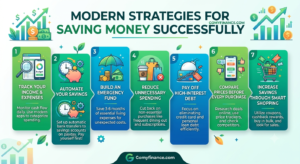
Modern Strategies for Gomyfinance.com Saving Money Successfully
A monthly budget is one of the most effective tools for managing personal finances. It helps people understand how much money comes in, where it goes, and how much can be saved.
A realistic budget should include essential expenses, savings goals, and flexible spending categories that match an individual’s lifestyle.
Track Your Income and Expenses
Tracking income and expenses helps people understand their financial habits. By recording purchases and reviewing spending patterns, individuals can identify unnecessary costs and opportunities to save.
Even small changes in daily spending can create noticeable improvements over time.
Automate Your Savings
Automating savings means setting up regular transfers from income into a savings account. This approach makes saving easier because it happens consistently without requiring constant attention.
Automatic savings can help individuals build discipline and make progress toward financial goals.
Build an Emergency Fund
An emergency fund is designed to cover unexpected financial situations. It provides protection when sudden expenses appear and helps reduce the need for expensive borrowing.
The amount needed depends on personal income, monthly expenses, and individual financial responsibilities.
Reduce Unnecessary Spending
Reducing unnecessary spending does not mean removing every enjoyable activity. It means identifying purchases that do not provide enough value and redirecting money toward more important goals.
Reviewing subscriptions, impulse purchases, and unused services can create additional savings opportunities.
Pay Off High-Interest Debt
High-interest debt can make saving more difficult because a significant portion of income may go toward interest payments. Managing debt effectively can improve financial flexibility.
Creating a repayment plan and prioritizing expensive debt can help individuals free more money for future savings.
Compare Prices Before Every Purchase
Comparing prices before buying helps consumers make informed decisions. Researching alternatives, checking reviews, and looking for better offers can prevent unnecessary spending. Smart purchasing habits allow people to receive better value from their money.
Increase Savings Through Smart Shopping
Smart shopping focuses on making thoughtful purchasing decisions. Discounts, promotions, and cashback opportunities can help reduce costs when used responsibly.
The main goal should always be buying what is needed while avoiding unnecessary spending.
Budgeting Methods That Make Saving Easier
The 50/30/20 budget rule is a popular method that divides income into three categories: needs, wants, and savings. Gomyfinance.com Saving Money provides a simple structure for organizing financial priorities.
Although the percentages can be adjusted, this method helps many people create a balanced approach to spending and saving.
Zero-Based Budgeting
Zero-based budgeting involves assigning every dollar of income to a specific purpose. The goal is to ensure that money has a planned destination before it is spent.
This approach provides detailed control and can help individuals avoid unnecessary expenses.
Pay Yourself First
The pay-yourself-first method means prioritizing savings before spending on other categories. Instead of saving whatever remains, individuals save first and manage the rest of their budget.
This strategy encourages consistency and makes financial goals a priority.
Cash Envelope Budgeting
Cash envelope budgeting involves separating money into different spending categories. It helps individuals control expenses by creating clear limits.
Today, many people use digital versions of this method through budgeting applications and financial tools.
Choosing the Right Budgeting Method
The best budgeting method depends on personal preferences and financial circumstances. Some people prefer detailed tracking, while others prefer simpler systems.
A successful budgeting method is one that someone can realistically follow over time.
Practical Ways to Save Money Every Month
Grocery costs can often be reduced through meal planning, shopping lists, and avoiding unnecessary purchases. Preparing before shopping helps prevent impulse buying. Small improvements in grocery habits can create meaningful monthly savings.
Lower Household Utility Bills
Reducing unnecessary energy usage can help lower household expenses. Simple habits such as monitoring consumption and improving efficiency can contribute to savings. Managing utility costs is an important part of overall financial planning.
Cut Transportation Costs
Transportation expenses can take a large portion of a monthly budget. Planning routes, maintaining vehicles, and choosing affordable travel options can help reduce costs. Making smarter transportation decisions can improve monthly cash flow.
Save on Entertainment and Subscriptions
Reviewing entertainment expenses regularly can help identify unused subscriptions or services. Choosing affordable alternatives can maintain enjoyment while supporting saving goals.
Shop Smarter With Discounts and Cashback
Discounts and cashback programs can provide savings when used carefully. However, they should encourage smarter spending rather than unnecessary purchases.
Common Money-Saving Mistakes to Avoid
One of the biggest financial mistakes people make is managing money without a clear budget. Without a plan, Gomyfinance.com Saving Money becomes difficult to understand spending patterns and identify areas where savings are possible.
A budget provides direction by showing where income is going and helping individuals make better financial decisions.
Ignoring Small Daily Expenses
Small daily purchases may seem insignificant, but they can add up over time. Regular spending on unnecessary items can reduce the amount of money available for important financial goals.
Tracking smaller expenses helps people recognize patterns and make smarter choices without making major lifestyle changes.
Delaying Emergency Savings
Many people focus only on current expenses and postpone building emergency savings. This can create challenges when unexpected costs appear.
Starting with small contributions can gradually build financial protection and provide greater confidence during uncertain situations.
Depending Too Much on Credit Cards
Credit cards can be useful financial tools when used responsibly, but depending on them too heavily can create debt challenges. High-interest balances may reduce the ability to save for future goals.
Maintaining responsible spending habits and paying balances on time can support healthier financial management.
Failing to Review Financial Progress
Financial planning is not a one-time activity. Income, expenses, and goals can change over time, so reviewing progress regularly is important.
Regular financial reviews help individuals adjust their strategies and continue moving toward their saving goals.
Digital Tools That Can Improve Your Saving Habits
Budget tracking apps can make money management easier by helping users record income, categorize expenses, and monitor spending habits.
These tools provide a convenient way to understand financial behavior and make more informed decisions about saving.
Expense Management Tools
Expense management tools help organize financial information and identify spending trends. They can show where money is being used and highlight areas for improvement.
By gaining better visibility into expenses, individuals can create more effective saving plans.
Savings Goal Trackers
Savings goal trackers help people set targets and monitor their progress over time. Seeing progress toward a goal can improve motivation and encourage consistency.
These tools are especially useful for people who want a clear visual plan for achieving financial objectives.
Financial Planning Resources
Financial planning resources provide education about budgeting, saving, and responsible money management. Learning basic financial concepts can help individuals make better decisions.
Reliable financial information allows people to develop stronger habits and improve their long-term financial confidence.
How to Build Long-Term Gomyfinance.com Saving Money
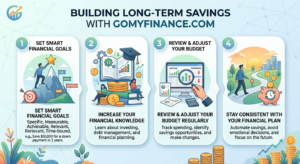
Successful saving depends on consistency rather than occasional efforts. Setting aside money regularly, even in smaller amounts, can create a strong foundation over time. Good financial habits are built through repeated actions and realistic goals that fit an individual’s situation.
Set SMART Financial Goals
SMART financial goals are specific, measurable, achievable, relevant, and time-based. This approach helps individuals create clear objectives and track their progress.
For example, instead of simply saying “I want to save money,” a person can create a specific savings target with a timeline.
Increase Your Financial Knowledge
Improving financial knowledge helps individuals understand budgeting, saving, debt management, and future planning. Better knowledge often leads to better financial choices.
Learning about personal finance is an ongoing process that can support stronger decision-making throughout life.
Review and Adjust Your Budget Regularly
A financial plan should change when personal circumstances change. New responsibilities, income changes, or different goals may require adjustments.
Regular budget reviews help ensure that spending and saving strategies remain practical and effective.
Stay Consistent With Your Financial Plan
Long-term financial success requires patience and commitment. Quick solutions rarely replace the value of consistent planning and responsible habits.
Following a realistic financial strategy can help individuals gradually improve their financial position.
Final Verdict
Gomyfinance.com saving money represents the growing importance of developing smarter financial habits in today’s economy. Saving money is not only about reducing expenses; it is about creating a thoughtful approach to managing income, planning for the future, and achieving financial goals.
Modern saving strategies such as budgeting, expense tracking, automated savings, and responsible spending can help individuals create stronger financial foundations. Small improvements made consistently can lead to meaningful results over time.
Financial success does not happen instantly. It requires planning, discipline, and continuous improvement. By developing better saving habits and making informed financial decisions, individuals can move closer to long-term financial security and confidence.
FAQs
What is Gomyfinance.com saving money?
Gomyfinance.com saving money refers to the concept of improving money management through saving strategies, budgeting practices, and better financial awareness. It focuses on the importance of creating smart financial habits.
Why is saving money important?
Saving money helps individuals prepare for unexpected expenses, achieve personal goals, and create greater financial stability. It provides flexibility and reduces financial stress during challenging situations.
What is the best budgeting strategy for beginners?
The best budgeting strategy depends on personal needs and financial habits. Beginners often benefit from simple methods such as tracking expenses, creating spending categories, and setting realistic saving goals.
How much money should I save every month?
The amount a person should save depends on income, expenses, and financial objectives. The most important step is creating a consistent saving habit that works within a realistic budget.
What are the biggest mistakes people make when saving money?
Common mistakes include not creating a budget, ignoring small expenses, delaying emergency savings, and failing to review financial progress. Avoiding these mistakes can improve financial management.