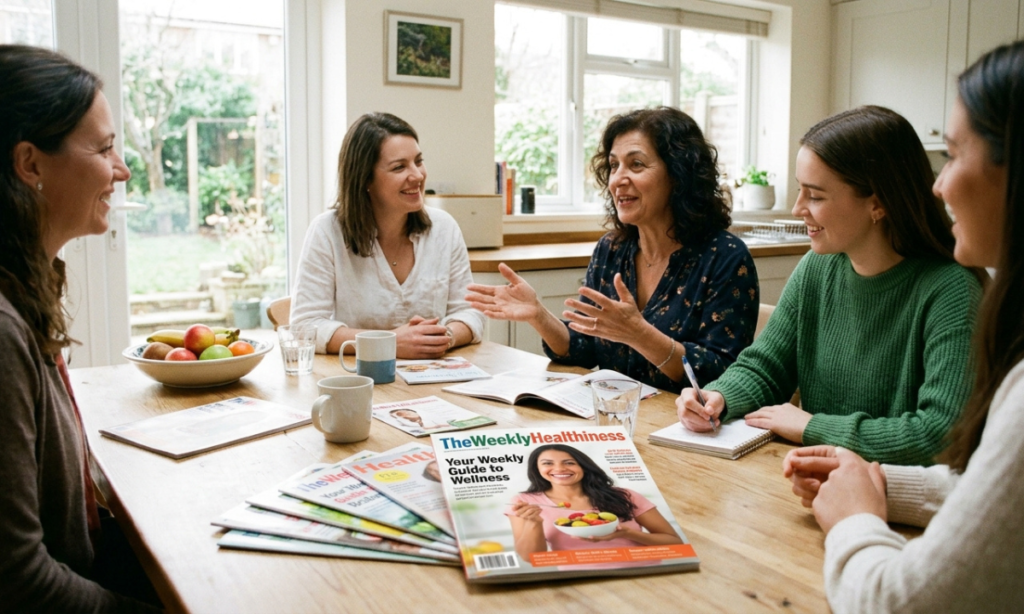

A healthier lifestyle does not have to begin with a dramatic transformation. Small, realistic changes in eating, physical activity, sleep, stress management, and everyday routines can make healthy living easier to maintain.
This guide to Advice TheWeeklyHealthiness brings together practical lifestyle ideas based on established public-health guidance. The goal is not to promote quick fixes or extreme routines, but to explain simple habits that can support overall well-being.
What Is Advice TheWeeklyHealthiness?
Advice TheWeeklyHealthiness can be viewed as a practical approach to learning about everyday health and wellness. It focuses on habits that people can gradually incorporate into their normal routines, including nutritious eating, regular movement, sufficient sleep, stress management, and personal hygiene.
A healthy lifestyle is not exactly the same for everyone. The World Health Organization explains that healthy dietary needs can vary according to factors such as age, lifestyle, physical activity, culture, and locally available foods. Therefore, useful health advice should provide general principles while recognizing that individual needs can differ.
Why Healthy Lifestyle Advice Matters
Good health involves more than avoiding illness. Nutrition, physical activity, sleep, mental well-being, and social relationships can all contribute to a person’s overall quality of life. Reliable advice is particularly useful because health information online can sometimes promote unrealistic promises or unsupported trends. Advice TheWeeklyHealthiness should therefore emphasize evidence-based habits rather than suggesting that one food, exercise, or routine can solve every health problem.
Why Healthy Habits Are Important
Healthy habits can support the body over the long term. A nutritious diet helps protect against malnutrition and several noncommunicable diseases, while regular physical activity provides important health benefits and can help prevent or manage several chronic conditions.
The important point is consistency. Eating well once or exercising occasionally is useful, but making reasonable choices repeatedly is more likely to become part of a sustainable lifestyle.
Physical and Mental Well-Being
Physical and mental health are closely connected. WHO notes that regular physical activity can benefit both the body and mind, including reducing symptoms of depression and anxiety and supporting overall well-being.
Stress can also affect both mental and physical health. Learning healthy ways to cope with everyday pressure, getting enough sleep, staying active, eating well, and maintaining supportive relationships can all be part of a broader approach to well-being.
Advice TheWeeklyHealthiness for Healthy Eating
Choosing a Balanced Diet
A balanced diet is built around variety, adequacy, balance, moderation, and diversity. WHO recommends eating a variety of foods, including vegetables, fruits, legumes, nuts, and whole grains, while limiting excessive amounts of unhealthy fats, free sugars, and sodium.
Instead of concentrating on one “perfect” food, think about the overall pattern of your meals. Different food groups provide different nutrients, so variety can help create a more balanced diet.
Eating More Fruits and Vegetables
Fruits and vegetables provide important nutrients, including vitamins, minerals, and dietary fibre. WHO recommends that people older than 10 aim for at least 400 grams of fruits and vegetables per day.
You can make this easier by adding fruit to breakfast, including vegetables with lunch or dinner, or keeping convenient options available for snacks. Fresh produce is useful, but WHO also notes that frozen and canned options can be good choices when they do not contain added sugars or excessive sodium.
Staying Hydrated
Fluids are an important part of daily health. The amount a person needs can vary depending on factors such as activity, environment, diet, and individual circumstances, so there is no single amount that is appropriate for everyone.
A practical approach is to drink fluids regularly throughout the day and pay attention to thirst and individual needs. People with certain medical conditions may have specific fluid recommendations, so personalized advice should come from a qualified healthcare professional.
Limiting Processed Foods
Not every processed food is automatically unhealthy, but highly processed foods can contain high amounts of sodium, free sugars, or unhealthy fats. WHO recommends limiting foods that are high in these components and emphasizes minimally processed and unprocessed foods as foundations of a healthy diet.
Rather than trying to eliminate every packaged food, focus on the overall quality of your diet. Choosing more whole or minimally processed foods can make healthy eating easier.
Advice TheWeeklyHealthiness for Staying Active
Making Exercise Part of Your Routine
Physical activity does not have to mean spending hours at a gym. Walking, cycling, household activities, sports, and other forms of movement all contribute to physical activity. For adults, WHO recommends at least 150–300 minutes of moderate-intensity aerobic activity per week, or an equivalent amount of vigorous activity.
Adults should also include muscle-strengthening activities on at least two days each week. If you are currently inactive, starting gradually can make the routine easier to maintain.
Simple Exercises for Beginners
Beginners can start with accessible activities such as walking, gentle cycling, basic body-weight exercises, or other movements that match their current ability. The important principle is to choose activities that you can perform safely and consistently. CDC guidance emphasizes that adults can spread physical activity throughout the week rather than completing it all in one session.
Benefits of Daily Walking
Walking is one of the simplest ways to add movement to an ordinary day. It can be incorporated into errands, commuting, lunch breaks, or leisure time. CDC recommends practical approaches such as walking to nearby destinations, taking a walking break, or choosing a longer walking route.
Improve Your Sleep and Rest
Sleep gives the body time to rest and recover. CDC states that most adults need at least seven hours of sleep each night, although individual needs can vary. Regularly getting too little sleep can affect health, so sleep should be treated as an important part of a healthy lifestyle rather than something to sacrifice whenever life becomes busy.
Building a Healthy Sleep Routine
A consistent sleep schedule can make healthy sleep easier. Going to bed and getting up around the same time each day is one recommendation from CDC and WHO guidance. It can also help to create a comfortable sleeping environment and reduce activities that interfere with winding down before bedtime.
Tips for Better Rest
Simple sleep habits can include keeping the bedroom quiet, dark, and comfortable, maintaining a regular schedule, and limiting electronic-device use before bed. WHO also recommends avoiding large meals, caffeine, and alcohol close to bedtime. If persistent sleep problems continue despite improving sleep habits, speaking with a healthcare professional can help identify possible causes.
Support Your Mental Wellness
Managing Everyday Stress
Stress is a normal response to difficult situations, but excessive or prolonged stress can affect both mental and physical well-being. WHO recommends learning ways to cope with stress and maintain healthy routines. Helpful approaches can include regular physical activity, sufficient sleep, healthy eating, relaxation, and staying connected with people you trust.
Making Time for Relaxation
Relaxation does not have to involve an elaborate wellness program. Quiet activities, enjoyable hobbies, breathing exercises, or mindfulness practices may help some people create space away from daily pressures.
WHO identifies relaxation and mindfulness approaches among stress-management techniques, although the evidence and recommendations can vary depending on the specific mental-health condition.
Staying Connected With Others
Relationships are an important part of well-being. WHO describes social connection as relevant to mental, physical, and brain health across the life course. Making time to speak with family members, meet friends, participate in a community, or simply maintain regular contact with people you trust can help reduce social disconnection.
Simple Healthy Habits for Everyday Life
Creating a Healthy Morning Routine
A morning routine does not need to be complicated. Starting the day with regular meals, adequate fluids, some movement, and a consistent schedule can create a practical foundation for the rest of the day. The best routine is one that fits your responsibilities and can realistically be repeated. There is no scientifically established “perfect” morning routine that everyone needs to follow.
Taking Regular Breaks
People who spend long periods sitting or working at a computer can benefit from changing position and incorporating movement into the day. NIOSH guidance for people working from home recommends periodic rest breaks and changes in posture, with examples including short breaks from screens and sitting to stretch or walk.
Practicing Good Hygiene
Personal hygiene is another basic part of staying healthy. Handwashing with soap and water is an easy and effective way to reduce the spread of germs and can help prevent some respiratory and diarrheal illnesses.
Handwashing is particularly important before eating and before, during, and after preparing food. CDC also recommends washing hands after handling raw meat, poultry, seafood, eggs, and other situations where germs can spread.
How to Build a Sustainable Healthy Lifestyle
Setting Realistic Health Goals
A healthy lifestyle becomes easier to manage when goals are realistic. Instead of trying to change your entire routine overnight, choose a small number of practical changes. For example, someone who rarely exercises might begin by adding short walks several days a week. Someone trying to improve their diet could start by adding more vegetables to regular meals.
Tracking Your Progress
Tracking can help you understand whether a new habit is becoming consistent. You might record exercise sessions, meals, sleep schedules, or other habits that are relevant to your goals. The purpose is not to create unnecessary pressure. A simple record can show patterns and help you recognize areas where you are making progress.
Staying Consistent
Consistency is more useful than chasing perfection. Missing one workout or eating an occasional less nutritious meal does not mean that your entire lifestyle has failed. A sustainable approach allows room for normal life while keeping healthy habits as the general direction. This is one of the most practical principles behind Advice TheWeeklyHealthiness.
Common Healthy Lifestyle Mistakes to Avoid
Making Too Many Changes at Once
Trying to completely redesign your diet, exercise routine, sleep schedule, and daily life at the same time can make the process unnecessarily difficult. Start with manageable changes and build from there. Gradual improvement can make new habits easier to integrate into everyday life.
Following Unrealistic Health Trends
Social media can make extreme diets, rapid weight-loss methods, and “miracle” wellness products appear more credible than they are. A better approach is to look for recommendations supported by reputable health organizations and scientific evidence.
Healthy living generally involves a combination of nutritious food, physical activity, adequate sleep, mental well-being, and other healthy behaviors—not one magical solution.
Ignoring Rest and Recovery
More exercise is not automatically better for every person. Rest is an important part of a balanced lifestyle, particularly when physical activity is demanding. Sleep is also a fundamental part of recovery. Adults generally need at least seven hours of sleep, according to CDC guidance.
Final Thoughts
Advice TheWeeklyHealthiness is about making healthier choices that can fit naturally into everyday life. Eating a balanced diet, staying physically active, getting enough sleep, managing stress, staying connected with others, and practicing good hygiene are simple areas to focus on.
You do not need to change everything at once. Start with realistic goals, build healthy habits gradually, and stay consistent over time. Most importantly, choose reliable health information and speak with a qualified healthcare professional when you need advice specific to your individual health needs.
FAQs
1. What is Advice TheWeeklyHealthiness?
Advice TheWeeklyHealthiness focuses on practical ideas for improving everyday health and wellness. It covers areas such as nutrition, exercise, sleep, stress management, and healthy habits.
2. How can Advice TheWeeklyHealthiness help with healthy eating?
It encourages balanced eating patterns that include a variety of nutritious foods.
Adding fruits and vegetables while limiting excessive sugar, salt, and unhealthy fats can support a healthy diet.
3. What exercise advice does Advice TheWeeklyHealthiness provide?
Regular physical activity, including walking and other suitable exercises, can help support overall health. Beginners can start gradually and increase activity as their fitness and comfort improve.
4. Why does Advice TheWeeklyHealthiness emphasize good sleep?
Adequate sleep is an important part of physical and mental well-being.
Maintaining a regular sleep schedule and creating a comfortable bedtime routine can support better sleep habits.
5. How can I follow Advice TheWeeklyHealthiness consistently?
Start with small, realistic lifestyle changes instead of trying to change everything at once. Track your progress, stay consistent, and adjust your habits as your needs and circumstances change.